
Fire and Safety Trainings in Educational Institute
Introduction
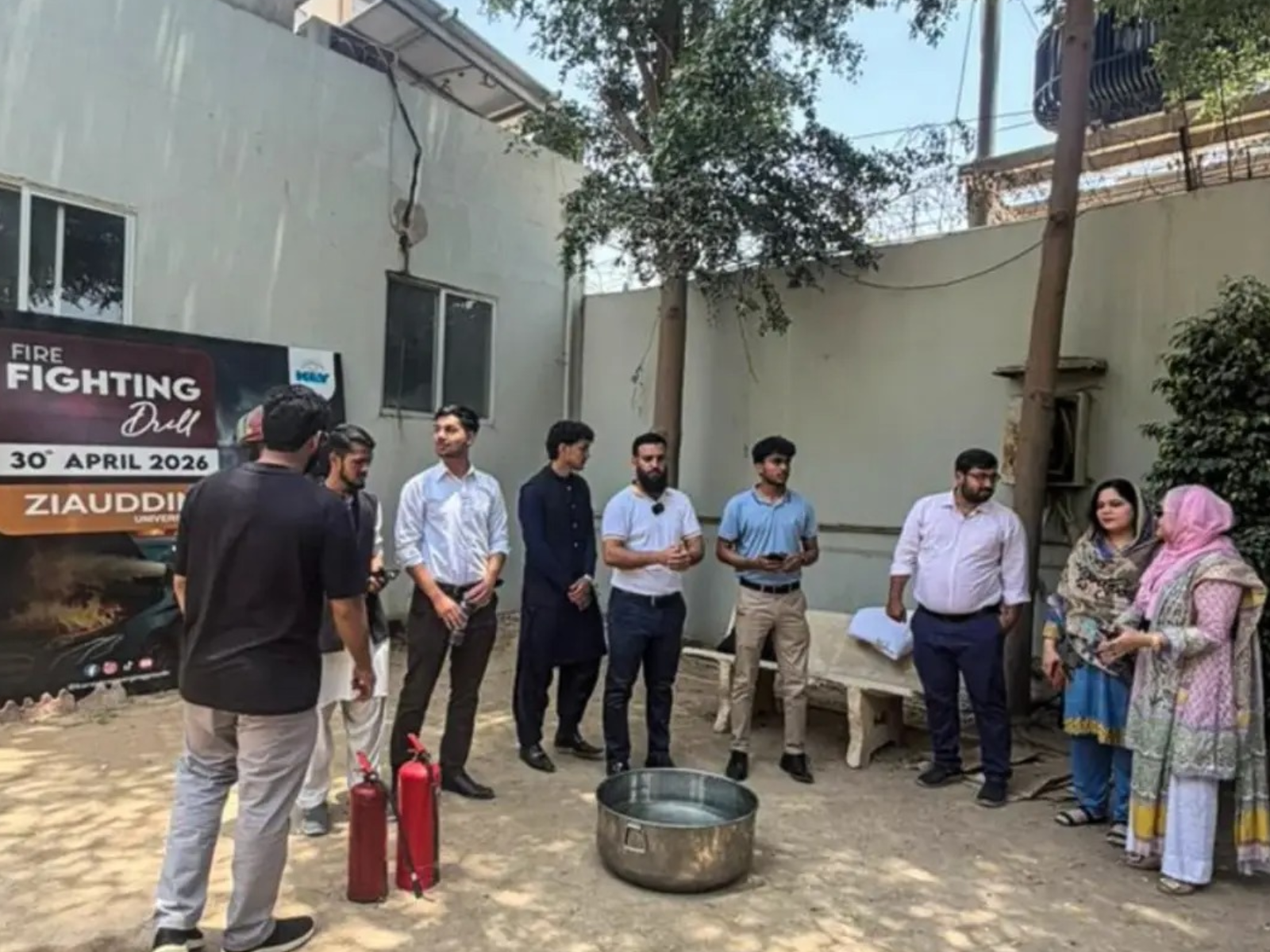
- Rising Fire Risks: Increasing incidents in homes, schools, and malls due to faulty infrastructure, overloaded circuits, and unsafe storage practices.
- Need for Prevention Training: Fire safety education helps individuals identify hazards, maintain safety systems, and respond effectively during emergencies.
- Life-Saving Preparedness: Builds confidence in executing organized evacuations, reducing panic and improving survival outcomes.
- CSR & Corporate Responsibility: Demonstrates a proactive commitment to employee and public safety, strengthening corporate credibility.
- Brand Reputation Enhancement: Positions the organization as a responsible and ethical leader focused on community well-being.
- Alignment with Global Goals: Supports sustainability priorities related to safe infrastructure, resilient communities, and public health and safety.
Methodology
-
Site Selection & Coordination
Identify target educational institutions and formalize a partnership by securing institutional permission and access. -
Expert Deployment
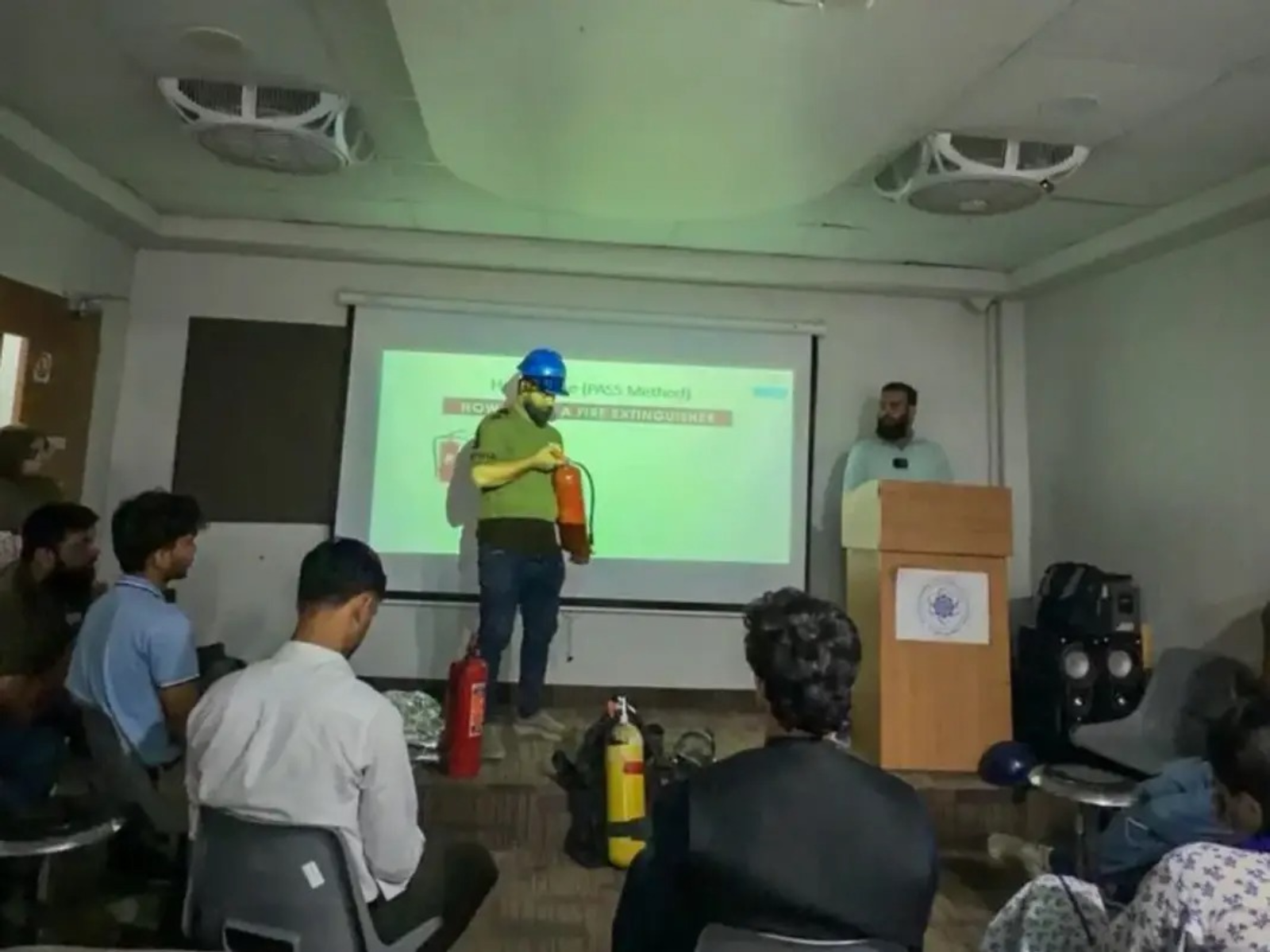
Subject matter experts, equipped with necessary fire safety and demonstration gear, conduct on-site training sessions focused on hazard identification and emergency response. -
Assessment & Feedback
Participants complete a post-training evaluation form to measure the effectiveness of the instruction and identify areas for future improvement.